Buy bocanci.eu ?
We are moving the project
bocanci.eu .
Are you interested in purchasing the domain
bocanci.eu ?
domain@kv-gmbh.de · 0541-91531010
Buy bocanci.eu ?
What is the function of the alveoli?
The function of the alveoli is to facilitate the exchange of oxygen and carbon dioxide between the lungs and the bloodstream. This exchange occurs through the thin walls of the alveoli, allowing oxygen to be absorbed into the bloodstream and carbon dioxide to be released from the bloodstream into the lungs to be exhaled. **
How does gas exchange work in the alveoli?
Gas exchange in the alveoli occurs through a process called diffusion. Oxygen from the inhaled air passes through the thin walls of the alveoli and into the surrounding capillaries, where it binds to hemoglobin in red blood cells. At the same time, carbon dioxide, a waste product of cellular respiration, diffuses from the blood into the alveoli to be exhaled. This exchange of gases is facilitated by the large surface area and thin walls of the alveoli, as well as the close proximity of the alveoli to the capillaries. **

Similar search terms for Alveoli
Top-Angebote
Products related to Alveoli:
-
The Handy Homestead Survival Wrist Compass Watch For Outdoor Adventure & Hiking Survival Wrist Compass Watch For Outdoor Adventure & HikingNever lose your way on your adventures again. The wrist compass watch combines a reliable compass with a durable, lightweight design, perfect for explorers, hikers, and outdoor enthusiasts. Built for precision and convenience, it keeps you oriented...39,97 $*Shipping: 0,00 $Secure redirect to the provider
-
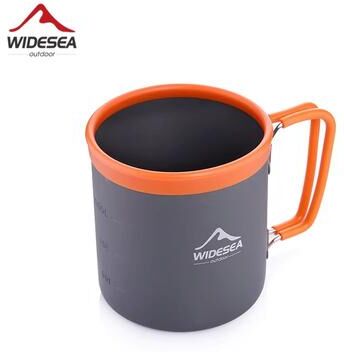
On Spot Shop Widesea Camping Aluminum Cup, Lightweight Outdoor Mug For Coffee, Trekking, Hiking & Picnic Tourism Tableware Widesea Camping Aluminum Cup, Lightweight Outdoor Mug For Coffee, Trekking, Hiking & Picnic Tourism TablewareThe Widesea Camping Aluminum Cup is the perfect outdoor essential for adventurers and coffee lovers alike. Made from highquality aluminum, this lightweight outdoor mug is built to withstand rugged conditions while keeping your drinks hot or cold....23,97 $*Shipping: 0,00 $Secure redirect to the provider
-
Uplifted Trends Premium Wrist Compass Survival Watch For Outdoor Adventure & Hiking Premium Wrist Compass Survival Watch For Outdoor Adventure & HikingNever lose your way again with the wrist compass survival watch built for adventurers and explorers. Designed for hikers, campers, and outdoor enthusiasts, this durable survival watch keeps you on track no matter where the journey takes you. Its...39,97 $*Shipping: 0,00 $Secure redirect to the provider
-
ModernMart Adventure Waterproof Compass Watch For Hiking Navigation And Outdoor Survival Adventure Waterproof Compass Watch For Hiking Navigation And Outdoor SurvivalNever lose your sense of direction, even in the wild. This compass watch is built for explorers, hikers, and outdoor enthusiasts who need reliable navigation on the go. Designed as a rugged outdoor survival watch, it combines precision direction...79,97 $*Shipping: 0,00 $Secure redirect to the provider


-
Why does the human have so many alveoli?
Humans have so many alveoli in order to maximize the surface area available for gas exchange in the lungs. The large number of alveoli allows for a greater amount of oxygen to be absorbed into the bloodstream and for carbon dioxide to be released from the bloodstream. This efficient gas exchange is essential for providing oxygen to the body's tissues and removing waste products. The high surface area of the alveoli also helps to maintain the proper balance of gases in the blood. **
-
What anatomical processes promote gas exchange in mammalian alveoli?
Gas exchange in mammalian alveoli is promoted by several anatomical processes. First, the alveoli have a large surface area for gas exchange due to their numerous small sacs. Second, the alveoli are surrounded by a dense network of capillaries, allowing for close proximity between the blood and the air in the alveoli. Third, the alveoli have thin walls, which allows for efficient diffusion of gases between the air in the alveoli and the blood in the capillaries. Finally, the alveoli are lined with a layer of surfactant, which reduces surface tension and prevents the alveoli from collapsing, ensuring efficient gas exchange. **
-
Why does carbon dioxide move from the blood to the lung alveoli and, conversely, oxygen from the lung alveoli to the blood?
Carbon dioxide moves from the blood to the lung alveoli because it is a waste product of cellular respiration and needs to be removed from the body. In the alveoli, it diffuses across the thin membrane and is exhaled out of the body. Conversely, oxygen moves from the lung alveoli to the blood because it is needed for cellular respiration to produce energy. The oxygen diffuses from the alveoli into the blood where it binds to hemoglobin and is transported to the body's tissues. **
-
Is this a good description of gas exchange in the alveoli?
Yes, the description provided is a good overview of gas exchange in the alveoli. It accurately explains how oxygen from inhaled air diffuses across the alveolar membrane into the bloodstream, where it binds to hemoglobin in red blood cells. At the same time, carbon dioxide from the bloodstream diffuses into the alveoli to be exhaled. This process is essential for maintaining the body's oxygen levels and removing carbon dioxide waste. **

What is the principle of the surface area enlargement of lung alveoli?
The principle of surface area enlargement of lung alveoli is to maximize the area available for gas exchange. This is achieved through the branching structure of the respiratory tree, which leads to a large number of alveoli. The thin walls of the alveoli and the network of capillaries surrounding them further increase the surface area available for gas exchange. This large surface area allows for efficient exchange of oxygen and carbon dioxide between the air in the alveoli and the blood in the capillaries. **
How does the body prevent the equalization of gas concentration in the capillaries and alveoli?
The body prevents the equalization of gas concentration in the capillaries and alveoli through a process called ventilation-perfusion matching. This process ensures that the amount of air reaching the alveoli matches the amount of blood reaching the capillaries surrounding the alveoli. This prevents the equalization of gas concentration by maintaining a concentration gradient between the alveoli and the capillaries, allowing for efficient gas exchange. Additionally, the presence of surfactant in the alveoli helps to reduce surface tension and prevent alveolar collapse, further maintaining the concentration gradient. **
Top-Angebote
Products related to Alveoli:
-
Inspired Finds Widesea Lightweight Aluminum Camping Mug Durable Outdoor Cup For Hiking, Trekking & Travel Widesea Lightweight Aluminum Camping Mug Durable Outdoor Cup For Hiking, Trekking & TravelEnjoy your favorite drink wherever adventure takes you with this versatile aluminum camping cup built for the outdoors. Designed to be lightweight yet durable, its the perfect companion for hikers, trekkers, and travelers who value practicality...34,99 $*Shipping: 0,00 $Secure redirect to the provider
-
Inspired Finds Widesea Lightweight Camping Aluminum Cup Durable Outdoor Mug For Hiking, Trekking, And Travel Adventures Widesea Lightweight Camping Aluminum Cup Durable Outdoor Mug For Hiking, Trekking, And Travel AdventuresEnjoy your favorite drink anywhere with the camping aluminum cup built for rugged adventures and everyday outdoor use. The Widesea outdoor mug is crafted from highquality, lightweight aluminum thats easy to pack, durable enough for the trail, and...37,99 $*Shipping: 0,00 $Secure redirect to the provider
-
The Handy Homestead Survival Wrist Compass Watch For Outdoor Adventure & Hiking Survival Wrist Compass Watch For Outdoor Adventure & HikingNever lose your way on your adventures again. The wrist compass watch combines a reliable compass with a durable, lightweight design, perfect for explorers, hikers, and outdoor enthusiasts. Built for precision and convenience, it keeps you oriented...39,97 $*Shipping: 0,00 $Secure redirect to the provider
-
On Spot Shop Widesea Camping Aluminum Cup, Lightweight Outdoor Mug For Coffee, Trekking, Hiking & Picnic Tourism Tableware Widesea Camping Aluminum Cup, Lightweight Outdoor Mug For Coffee, Trekking, Hiking & Picnic Tourism TablewareThe Widesea Camping Aluminum Cup is the perfect outdoor essential for adventurers and coffee lovers alike. Made from highquality aluminum, this lightweight outdoor mug is built to withstand rugged conditions while keeping your drinks hot or cold....23,97 $*Shipping: 0,00 $Secure redirect to the provider
-
What is the function of the alveoli?
The function of the alveoli is to facilitate the exchange of oxygen and carbon dioxide between the lungs and the bloodstream. This exchange occurs through the thin walls of the alveoli, allowing oxygen to be absorbed into the bloodstream and carbon dioxide to be released from the bloodstream into the lungs to be exhaled. **
-
How does gas exchange work in the alveoli?
Gas exchange in the alveoli occurs through a process called diffusion. Oxygen from the inhaled air passes through the thin walls of the alveoli and into the surrounding capillaries, where it binds to hemoglobin in red blood cells. At the same time, carbon dioxide, a waste product of cellular respiration, diffuses from the blood into the alveoli to be exhaled. This exchange of gases is facilitated by the large surface area and thin walls of the alveoli, as well as the close proximity of the alveoli to the capillaries. **
-
Why does the human have so many alveoli?
Humans have so many alveoli in order to maximize the surface area available for gas exchange in the lungs. The large number of alveoli allows for a greater amount of oxygen to be absorbed into the bloodstream and for carbon dioxide to be released from the bloodstream. This efficient gas exchange is essential for providing oxygen to the body's tissues and removing waste products. The high surface area of the alveoli also helps to maintain the proper balance of gases in the blood. **
-
What anatomical processes promote gas exchange in mammalian alveoli?
Gas exchange in mammalian alveoli is promoted by several anatomical processes. First, the alveoli have a large surface area for gas exchange due to their numerous small sacs. Second, the alveoli are surrounded by a dense network of capillaries, allowing for close proximity between the blood and the air in the alveoli. Third, the alveoli have thin walls, which allows for efficient diffusion of gases between the air in the alveoli and the blood in the capillaries. Finally, the alveoli are lined with a layer of surfactant, which reduces surface tension and prevents the alveoli from collapsing, ensuring efficient gas exchange. **
Similar search terms for Alveoli
-
Uplifted Trends Premium Wrist Compass Survival Watch For Outdoor Adventure & Hiking Premium Wrist Compass Survival Watch For Outdoor Adventure & HikingNever lose your way again with the wrist compass survival watch built for adventurers and explorers. Designed for hikers, campers, and outdoor enthusiasts, this durable survival watch keeps you on track no matter where the journey takes you. Its...39,97 $*Shipping: 0,00 $Secure redirect to the provider
-
ModernMart Adventure Waterproof Compass Watch For Hiking Navigation And Outdoor Survival Adventure Waterproof Compass Watch For Hiking Navigation And Outdoor SurvivalNever lose your sense of direction, even in the wild. This compass watch is built for explorers, hikers, and outdoor enthusiasts who need reliable navigation on the go. Designed as a rugged outdoor survival watch, it combines precision direction...79,97 $*Shipping: 0,00 $Secure redirect to the provider
-
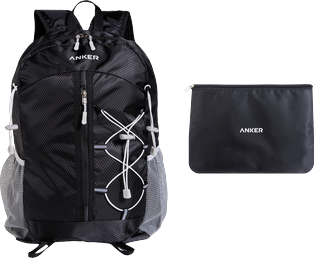
soundcore Adventure Packable Outdoor BackpackYou'll receive a lightweight, water-resistant Outdoor Backpack designed for maximum portability. Crafted with durable honeycomb ripstop fabric, it features multiple compartments and folds effortlessly into its own compact pouch, making it the...39,99 $*Shipping: 0,00 $Secure redirect to the provider
-
Joybees Trekking Slide - Mens 7 Grey Slip On Medium*Quick-drying EVA upper. Created to be slipped on to get you out the door in a hurry. Super Comfy Cushion and support worth living in. Closed-cell material resists bacteria that causes odor. Dream Footbed honeycomb pillow-top footbed. Honeycomb...34,99 $*Shipping: 6,95 $Secure redirect to the provider
-
Why does carbon dioxide move from the blood to the lung alveoli and, conversely, oxygen from the lung alveoli to the blood?
Carbon dioxide moves from the blood to the lung alveoli because it is a waste product of cellular respiration and needs to be removed from the body. In the alveoli, it diffuses across the thin membrane and is exhaled out of the body. Conversely, oxygen moves from the lung alveoli to the blood because it is needed for cellular respiration to produce energy. The oxygen diffuses from the alveoli into the blood where it binds to hemoglobin and is transported to the body's tissues. **
-
Is this a good description of gas exchange in the alveoli?
Yes, the description provided is a good overview of gas exchange in the alveoli. It accurately explains how oxygen from inhaled air diffuses across the alveolar membrane into the bloodstream, where it binds to hemoglobin in red blood cells. At the same time, carbon dioxide from the bloodstream diffuses into the alveoli to be exhaled. This process is essential for maintaining the body's oxygen levels and removing carbon dioxide waste. **
-
What is the principle of the surface area enlargement of lung alveoli?
The principle of surface area enlargement of lung alveoli is to maximize the area available for gas exchange. This is achieved through the branching structure of the respiratory tree, which leads to a large number of alveoli. The thin walls of the alveoli and the network of capillaries surrounding them further increase the surface area available for gas exchange. This large surface area allows for efficient exchange of oxygen and carbon dioxide between the air in the alveoli and the blood in the capillaries. **
-
How does the body prevent the equalization of gas concentration in the capillaries and alveoli?
The body prevents the equalization of gas concentration in the capillaries and alveoli through a process called ventilation-perfusion matching. This process ensures that the amount of air reaching the alveoli matches the amount of blood reaching the capillaries surrounding the alveoli. This prevents the equalization of gas concentration by maintaining a concentration gradient between the alveoli and the capillaries, allowing for efficient gas exchange. Additionally, the presence of surfactant in the alveoli helps to reduce surface tension and prevent alveolar collapse, further maintaining the concentration gradient. **
* All prices are inclusive of VAT and, if applicable, plus shipping costs. The offer information is based on the details provided by the respective shop and is updated through automated processes. Real-time updates do not occur, so deviations can occur in individual cases. ** Note: Parts of this content were created by AI.