Buy bocanci.eu ?
We are moving the project
bocanci.eu .
Are you interested in purchasing the domain
bocanci.eu ?
domain@kv-gmbh.de · 0541-91531010
Buy bocanci.eu ?
How can one detoxify microplastics?
One way to detoxify microplastics is through the use of activated charcoal. Activated charcoal has a porous structure that can trap and bind to toxins, including microplastics, and help remove them from the body. Another method is to consume foods and supplements that support the body's natural detoxification processes, such as antioxidants and fiber-rich foods. Additionally, reducing exposure to sources of microplastics, such as single-use plastics and contaminated water, can help prevent further accumulation in the body. **
How can microplastics be made visible?
Microplastics can be made visible through various methods such as using specialized equipment like microscopes or infrared spectroscopy to detect and analyze them. Additionally, researchers can use fluorescent dyes that bind specifically to microplastics, making them easier to see under certain lighting conditions. Another method is filtering water samples and examining the residue left behind, as microplastics will be captured on the filter. Overall, a combination of techniques is often used to effectively visualize and quantify microplastics in different environments. **


Similar search terms for Microplastics
Top-Angebote
Products related to Microplastics:
-
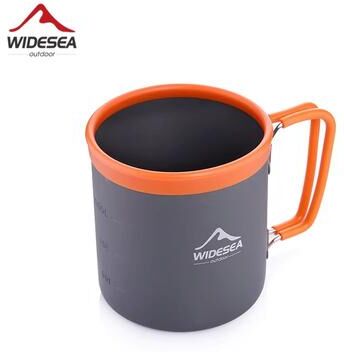
Inspired Finds Widesea Lightweight Camping Aluminum Cup Durable Outdoor Mug For Hiking, Trekking, And Travel Adventures Widesea Lightweight Camping Aluminum Cup Durable Outdoor Mug For Hiking, Trekking, And Travel AdventuresEnjoy your favorite drink anywhere with the camping aluminum cup built for rugged adventures and everyday outdoor use. The Widesea outdoor mug is crafted from highquality, lightweight aluminum thats easy to pack, durable enough for the trail, and...37,99 $*Shipping: 0,00 $Secure redirect to the provider
-
The Handy Homestead Survival Wrist Compass Watch For Outdoor Adventure & Hiking Survival Wrist Compass Watch For Outdoor Adventure & HikingNever lose your way on your adventures again. The wrist compass watch combines a reliable compass with a durable, lightweight design, perfect for explorers, hikers, and outdoor enthusiasts. Built for precision and convenience, it keeps you oriented...39,97 $*Shipping: 0,00 $Secure redirect to the provider
-
On Spot Shop Widesea Camping Aluminum Cup, Lightweight Outdoor Mug For Coffee, Trekking, Hiking & Picnic Tourism Tableware Widesea Camping Aluminum Cup, Lightweight Outdoor Mug For Coffee, Trekking, Hiking & Picnic Tourism TablewareThe Widesea Camping Aluminum Cup is the perfect outdoor essential for adventurers and coffee lovers alike. Made from highquality aluminum, this lightweight outdoor mug is built to withstand rugged conditions while keeping your drinks hot or cold....23,97 $*Shipping: 0,00 $Secure redirect to the provider
-
Uplifted Trends Premium Wrist Compass Survival Watch For Outdoor Adventure & Hiking Premium Wrist Compass Survival Watch For Outdoor Adventure & HikingNever lose your way again with the wrist compass survival watch built for adventurers and explorers. Designed for hikers, campers, and outdoor enthusiasts, this durable survival watch keeps you on track no matter where the journey takes you. Its...39,97 $*Shipping: 0,00 $Secure redirect to the provider


-
How can one make microplastics visible?
Microplastics can be made visible through the use of specialized equipment such as microscopes or infrared cameras. By magnifying the sample, microplastics that are too small to be seen with the naked eye can be identified and counted. Additionally, specific dyes or fluorescent markers can be used to stain the microplastics, making them easier to detect under certain lighting conditions. Sampling techniques such as filtration or sedimentation can also help concentrate microplastics from a larger sample, making them more visible for analysis. **
-
What is in wastewater: microplastics and silicones?
Wastewater can contain microplastics, which are tiny pieces of plastic less than 5mm in size that come from various sources such as personal care products, clothing, and packaging. Silicones are another common component found in wastewater, which are synthetic compounds used in a variety of products like shampoos, conditioners, and cosmetics. Both microplastics and silicones can pose environmental risks as they can accumulate in water bodies, harm aquatic life, and potentially enter the food chain. **
-
What is in the wastewater: microplastics and silicones?
Wastewater can contain microplastics, which are tiny plastic particles that come from a variety of sources such as clothing fibers, packaging materials, and personal care products. These microplastics can enter the wastewater system through activities like washing clothes or using personal care products. Additionally, silicones, which are synthetic polymers often used in personal care products and industrial processes, can also be found in wastewater. Both microplastics and silicones can pose environmental and health risks, making it important to address their presence in wastewater treatment processes. **
-
Do we all have microplastics in our bodies?
Yes, studies have found that microplastics have been detected in human bodies through various means such as in the gut, lungs, and even in placental tissue. These microplastics can enter our bodies through ingestion of contaminated food and water, as well as through inhalation of airborne particles. While the health impacts of microplastics in our bodies are still being studied, it is clear that they are pervasive in the environment and can accumulate in our bodies over time. **

What can be done about microplastics in the oceans?
To address the issue of microplastics in the oceans, several measures can be taken. Firstly, reducing the use of single-use plastics and promoting the use of biodegradable alternatives can help prevent the entry of more plastic into the oceans. Additionally, implementing proper waste management and recycling systems can help reduce the amount of plastic waste that ends up in the oceans. Furthermore, conducting clean-up operations and developing technologies to remove existing microplastics from the oceans can also be effective in mitigating the problem. Finally, raising awareness and educating the public about the impact of microplastics on marine ecosystems can help drive individual and collective action to address the issue. **
What is the difference between primary and secondary microplastics?
Primary microplastics are small plastic particles that are intentionally produced for use in products such as exfoliating scrubs, industrial abrasives, and air blasting. Secondary microplastics are the result of the breakdown of larger plastic items, such as water bottles, packaging materials, and fishing nets, due to weathering, sunlight, and mechanical action. Both types of microplastics can have negative impacts on the environment and wildlife, but primary microplastics are directly introduced into the environment, while secondary microplastics result from the degradation of larger plastic items. **
Top-Angebote
Products related to Microplastics:
-
Inspired Finds Widesea Lightweight Aluminum Camping Mug Durable Outdoor Cup For Hiking, Trekking & Travel Widesea Lightweight Aluminum Camping Mug Durable Outdoor Cup For Hiking, Trekking & TravelEnjoy your favorite drink wherever adventure takes you with this versatile aluminum camping cup built for the outdoors. Designed to be lightweight yet durable, its the perfect companion for hikers, trekkers, and travelers who value practicality...34,99 $*Shipping: 0,00 $Secure redirect to the provider
-
Inspired Finds Widesea Lightweight Camping Aluminum Cup Durable Outdoor Mug For Hiking, Trekking, And Travel Adventures Widesea Lightweight Camping Aluminum Cup Durable Outdoor Mug For Hiking, Trekking, And Travel AdventuresEnjoy your favorite drink anywhere with the camping aluminum cup built for rugged adventures and everyday outdoor use. The Widesea outdoor mug is crafted from highquality, lightweight aluminum thats easy to pack, durable enough for the trail, and...37,99 $*Shipping: 0,00 $Secure redirect to the provider
-
The Handy Homestead Survival Wrist Compass Watch For Outdoor Adventure & Hiking Survival Wrist Compass Watch For Outdoor Adventure & HikingNever lose your way on your adventures again. The wrist compass watch combines a reliable compass with a durable, lightweight design, perfect for explorers, hikers, and outdoor enthusiasts. Built for precision and convenience, it keeps you oriented...39,97 $*Shipping: 0,00 $Secure redirect to the provider
-
How can one detoxify microplastics?
One way to detoxify microplastics is through the use of activated charcoal. Activated charcoal has a porous structure that can trap and bind to toxins, including microplastics, and help remove them from the body. Another method is to consume foods and supplements that support the body's natural detoxification processes, such as antioxidants and fiber-rich foods. Additionally, reducing exposure to sources of microplastics, such as single-use plastics and contaminated water, can help prevent further accumulation in the body. **
-
How can microplastics be made visible?
Microplastics can be made visible through various methods such as using specialized equipment like microscopes or infrared spectroscopy to detect and analyze them. Additionally, researchers can use fluorescent dyes that bind specifically to microplastics, making them easier to see under certain lighting conditions. Another method is filtering water samples and examining the residue left behind, as microplastics will be captured on the filter. Overall, a combination of techniques is often used to effectively visualize and quantify microplastics in different environments. **
-
How can one make microplastics visible?
Microplastics can be made visible through the use of specialized equipment such as microscopes or infrared cameras. By magnifying the sample, microplastics that are too small to be seen with the naked eye can be identified and counted. Additionally, specific dyes or fluorescent markers can be used to stain the microplastics, making them easier to detect under certain lighting conditions. Sampling techniques such as filtration or sedimentation can also help concentrate microplastics from a larger sample, making them more visible for analysis. **
-
What is in wastewater: microplastics and silicones?
Wastewater can contain microplastics, which are tiny pieces of plastic less than 5mm in size that come from various sources such as personal care products, clothing, and packaging. Silicones are another common component found in wastewater, which are synthetic compounds used in a variety of products like shampoos, conditioners, and cosmetics. Both microplastics and silicones can pose environmental risks as they can accumulate in water bodies, harm aquatic life, and potentially enter the food chain. **
Similar search terms for Microplastics
-
On Spot Shop Widesea Camping Aluminum Cup, Lightweight Outdoor Mug For Coffee, Trekking, Hiking & Picnic Tourism Tableware Widesea Camping Aluminum Cup, Lightweight Outdoor Mug For Coffee, Trekking, Hiking & Picnic Tourism TablewareThe Widesea Camping Aluminum Cup is the perfect outdoor essential for adventurers and coffee lovers alike. Made from highquality aluminum, this lightweight outdoor mug is built to withstand rugged conditions while keeping your drinks hot or cold....23,97 $*Shipping: 0,00 $Secure redirect to the provider
-
Uplifted Trends Premium Wrist Compass Survival Watch For Outdoor Adventure & Hiking Premium Wrist Compass Survival Watch For Outdoor Adventure & HikingNever lose your way again with the wrist compass survival watch built for adventurers and explorers. Designed for hikers, campers, and outdoor enthusiasts, this durable survival watch keeps you on track no matter where the journey takes you. Its...39,97 $*Shipping: 0,00 $Secure redirect to the provider
-
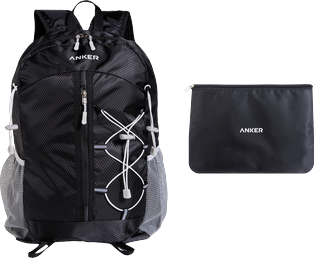
soundcore Adventure Packable Outdoor BackpackYou'll receive a lightweight, water-resistant Outdoor Backpack designed for maximum portability. Crafted with durable honeycomb ripstop fabric, it features multiple compartments and folds effortlessly into its own compact pouch, making it the...39,99 $*Shipping: 0,00 $Secure redirect to the provider
-
Fox Eye Tales from Redhill Wood 10 Books Collection Set: A Summer Wedding, A Sleepy Winter, A Squirrel Adventure, A River Adventure, A Treetop Adventure and MTales from Redhill Wood is a 10 book collection of heart warming stories set in a woodland filled with lovable animal characters. From curious creatures and unlikely friendships to little adventures and important life lessons, each story introduces children to a new character and a new tale to enjoy. Perfect for young readers, this delightful collection encourages children to explore themes such as friendship, kindness, courage, teamwork and helping others, all through engaging animal-led stories. With ten different tales to discover, Tales from Redhill Woodoffers plenty of opportunities for shared reading, bedtime storytelling and independent enjoyment. The Tales from Redhill wood Book set includes: A Summer Wedding: Join the Badger family for a beautiful summer wedding. A Sleepy Winter: Follow Rustle the hedgehog as he tries to find a quiet, warm place to sleep for the winter. A Squirrel Adventure: Join Ginger the squirrel as she braves the wilds of Redhill Wood to find a cure for her brother. A River Adventure: Join Otto and Olivia Otter in their adventure as they try boating for the first time. A Treetop Adventure: Join Catkin the dormouse on her woodland adventure. Beavers to the Rescue: Join Flippity the Frog and the Beaver family as they rescue the frog ball. Flippity Frog Flips Out: Find out what makes Flippity Frog flip out at all his friends and how he learns to calm down. Humbug gets an Itch: Find out how Humbug the boar manages to scratch an itch. The Fox and the Fiddle: Join Finn the fox as he and other rescued animals make Redhill Wood their new home. The Starry Owl: Find out how Starry Owl makes a special friend and enchants the woodland animals with his starry stories. A wonderful collection of woodland adventures, friendship and fun for young readers.12,99 £*Shipping: 2,99 £Secure redirect to the provider
-
What is in the wastewater: microplastics and silicones?
Wastewater can contain microplastics, which are tiny plastic particles that come from a variety of sources such as clothing fibers, packaging materials, and personal care products. These microplastics can enter the wastewater system through activities like washing clothes or using personal care products. Additionally, silicones, which are synthetic polymers often used in personal care products and industrial processes, can also be found in wastewater. Both microplastics and silicones can pose environmental and health risks, making it important to address their presence in wastewater treatment processes. **
-
Do we all have microplastics in our bodies?
Yes, studies have found that microplastics have been detected in human bodies through various means such as in the gut, lungs, and even in placental tissue. These microplastics can enter our bodies through ingestion of contaminated food and water, as well as through inhalation of airborne particles. While the health impacts of microplastics in our bodies are still being studied, it is clear that they are pervasive in the environment and can accumulate in our bodies over time. **
-
What can be done about microplastics in the oceans?
To address the issue of microplastics in the oceans, several measures can be taken. Firstly, reducing the use of single-use plastics and promoting the use of biodegradable alternatives can help prevent the entry of more plastic into the oceans. Additionally, implementing proper waste management and recycling systems can help reduce the amount of plastic waste that ends up in the oceans. Furthermore, conducting clean-up operations and developing technologies to remove existing microplastics from the oceans can also be effective in mitigating the problem. Finally, raising awareness and educating the public about the impact of microplastics on marine ecosystems can help drive individual and collective action to address the issue. **
-
What is the difference between primary and secondary microplastics?
Primary microplastics are small plastic particles that are intentionally produced for use in products such as exfoliating scrubs, industrial abrasives, and air blasting. Secondary microplastics are the result of the breakdown of larger plastic items, such as water bottles, packaging materials, and fishing nets, due to weathering, sunlight, and mechanical action. Both types of microplastics can have negative impacts on the environment and wildlife, but primary microplastics are directly introduced into the environment, while secondary microplastics result from the degradation of larger plastic items. **
* All prices are inclusive of VAT and, if applicable, plus shipping costs. The offer information is based on the details provided by the respective shop and is updated through automated processes. Real-time updates do not occur, so deviations can occur in individual cases. ** Note: Parts of this content were created by AI.