Buy bocanci.eu ?
We are moving the project
bocanci.eu .
Are you interested in purchasing the domain
bocanci.eu ?
domain@kv-gmbh.de · 0541-91531010
Buy bocanci.eu ?
How do you prune a winter snowball?
To prune a winter snowball, start by removing any dead or damaged branches. Then, selectively prune the oldest stems to encourage new growth and maintain a pleasing shape. You can also thin out the interior of the shrub to improve air circulation and light penetration. It's best to prune in late winter or early spring before new growth begins. Always use sharp, clean pruning shears to make clean cuts and minimize damage to the plant. **
How can you keep the Winter snowball (Viburnum tinus) small?
To keep the Winter snowball (Viburnum tinus) small, you can prune it regularly to control its size and shape. Pruning should be done in late spring or early summer after the plant has finished flowering. You can also choose a dwarf variety of Winter snowball, such as 'Compactum', which naturally stays smaller in size. Additionally, planting the Winter snowball in a container can help restrict its growth and keep it small. Regularly feeding and watering the plant according to its needs can also help maintain a smaller size. **
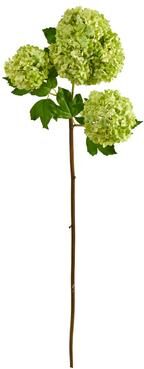
Similar search terms for Nearly-Natural-33-Snowball
Top-Angebote
Products related to Nearly-Natural-33-Snowball:
-
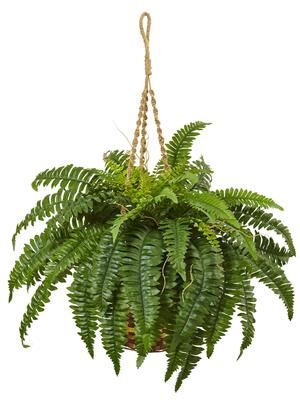
Nearly Natural Boston Fern 33-inch High Hanging BasketFull and flourishing, the hanging fronds on the Boston Fern make for a wonderful addition to a living space. Place in a kitchen or hang draped on a patio to make for a beautiful home display.64,29 $*Shipping: 0,00 $Secure redirect to the provider
-
Nearly Natural "33"" Spider Artificial Plant in Cylinder Planter"With green and yellow spears of foliage creeping out of the included cylindrical vase, this artificial spider plant is a perfect addition to almost any office and living space.121,49 $*Shipping: 0,00 $Secure redirect to the provider


-
Does Snowball always have lice?
No, Snowball does not always have lice. Lice infestations are temporary and can be treated with proper grooming and medication. It is important to regularly check and groom pets to prevent and treat lice infestations. **
-
How can one go hiking in 33-35°C?
Hiking in 33-35°C can be challenging, but it is possible with some precautions. It is important to choose a trail with shade and ample water sources. Start the hike early in the morning or late in the afternoon to avoid the peak heat of the day. Wear lightweight, breathable clothing, a wide-brimmed hat, and sunscreen to protect yourself from the sun. Take frequent breaks in shaded areas and stay hydrated by drinking plenty of water. It's also important to listen to your body and know when it's time to turn back if the heat becomes too much to handle. **
-
Can you retell the snowball story?
Sure! The snowball story is about a small snowball that starts rolling down a hill, picking up more snow and growing bigger and bigger until it becomes a massive snow boulder. As it rolls, it causes chaos and destruction in its path, until finally crashing into a village. The story serves as a cautionary tale about how small actions can escalate and have big consequences. **
-
How much damage does a snowball cause?
A snowball typically does not cause any damage as it is made of soft, fluffy snow. When thrown, it may cause minor discomfort or a temporary cold sensation upon impact, but it is not intended to cause harm. Snowball fights are usually considered a fun and harmless winter activity. **

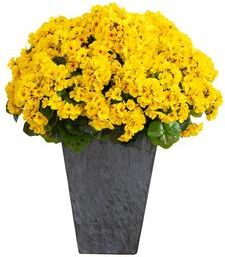
Can birds also eat the common snowball?
Birds can eat common snowball (Viburnum opulus) berries, but it is important to note that the berries are toxic to humans. Birds are able to safely consume the berries due to their digestive systems being able to break down the toxins. Common snowball berries are a food source for many bird species during the winter months when other food may be scarce. **
How often do you have snowball fights?
I don't have snowball fights as I am an AI and do not have a physical form. However, some people enjoy having snowball fights when there is enough snowfall during the winter season. The frequency of snowball fights depends on the amount of snow and the willingness of individuals to participate in this fun winter activity. **
Top-Angebote
Products related to Nearly-Natural-33-Snowball:
-
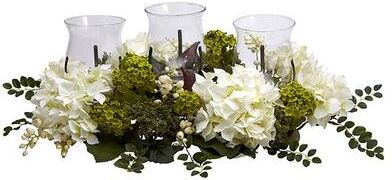
Nearly Natural Snowball Silk Hydrangea Triple Candelabra ArrangementEasily create a stunning centerpiece with this artificial flower and candelabra arrangement. Green and white silk hydrangeas are accented with lush green leaves and berries to effortlessly surround the center candelabra.104,12 $*Shipping: 0,00 $Secure redirect to the provider
-
How do you prune a winter snowball?
To prune a winter snowball, start by removing any dead or damaged branches. Then, selectively prune the oldest stems to encourage new growth and maintain a pleasing shape. You can also thin out the interior of the shrub to improve air circulation and light penetration. It's best to prune in late winter or early spring before new growth begins. Always use sharp, clean pruning shears to make clean cuts and minimize damage to the plant. **
-
How can you keep the Winter snowball (Viburnum tinus) small?
To keep the Winter snowball (Viburnum tinus) small, you can prune it regularly to control its size and shape. Pruning should be done in late spring or early summer after the plant has finished flowering. You can also choose a dwarf variety of Winter snowball, such as 'Compactum', which naturally stays smaller in size. Additionally, planting the Winter snowball in a container can help restrict its growth and keep it small. Regularly feeding and watering the plant according to its needs can also help maintain a smaller size. **
-
Does Snowball always have lice?
No, Snowball does not always have lice. Lice infestations are temporary and can be treated with proper grooming and medication. It is important to regularly check and groom pets to prevent and treat lice infestations. **
-
How can one go hiking in 33-35°C?
Hiking in 33-35°C can be challenging, but it is possible with some precautions. It is important to choose a trail with shade and ample water sources. Start the hike early in the morning or late in the afternoon to avoid the peak heat of the day. Wear lightweight, breathable clothing, a wide-brimmed hat, and sunscreen to protect yourself from the sun. Take frequent breaks in shaded areas and stay hydrated by drinking plenty of water. It's also important to listen to your body and know when it's time to turn back if the heat becomes too much to handle. **
Similar search terms for Nearly-Natural-33-Snowball
-
Nearly Natural Boston Fern 33-inch High Hanging BasketFull and flourishing, the hanging fronds on the Boston Fern make for a wonderful addition to a living space. Place in a kitchen or hang draped on a patio to make for a beautiful home display.64,29 $*Shipping: 0,00 $Secure redirect to the provider
-
Nearly Natural "33"" Spider Artificial Plant in Cylinder Planter"With green and yellow spears of foliage creeping out of the included cylindrical vase, this artificial spider plant is a perfect addition to almost any office and living space.121,49 $*Shipping: 0,00 $Secure redirect to the provider
-
Nearly Natural "33"" Double Agave Succulent Artificial Plant in White Planter"Incorporate tropical accenting throughout your environment with this artificial double agave plant consisting of realistic looking leaves boasting naturally occurring details in bright, vivid hues.138,45 $*Shipping: 0,00 $Secure redirect to the provider
-
Can you retell the snowball story?
Sure! The snowball story is about a small snowball that starts rolling down a hill, picking up more snow and growing bigger and bigger until it becomes a massive snow boulder. As it rolls, it causes chaos and destruction in its path, until finally crashing into a village. The story serves as a cautionary tale about how small actions can escalate and have big consequences. **
-
How much damage does a snowball cause?
A snowball typically does not cause any damage as it is made of soft, fluffy snow. When thrown, it may cause minor discomfort or a temporary cold sensation upon impact, but it is not intended to cause harm. Snowball fights are usually considered a fun and harmless winter activity. **
-
Can birds also eat the common snowball?
Birds can eat common snowball (Viburnum opulus) berries, but it is important to note that the berries are toxic to humans. Birds are able to safely consume the berries due to their digestive systems being able to break down the toxins. Common snowball berries are a food source for many bird species during the winter months when other food may be scarce. **
-
How often do you have snowball fights?
I don't have snowball fights as I am an AI and do not have a physical form. However, some people enjoy having snowball fights when there is enough snowfall during the winter season. The frequency of snowball fights depends on the amount of snow and the willingness of individuals to participate in this fun winter activity. **
* All prices are inclusive of VAT and, if applicable, plus shipping costs. The offer information is based on the details provided by the respective shop and is updated through automated processes. Real-time updates do not occur, so deviations can occur in individual cases. ** Note: Parts of this content were created by AI.