Buy bocanci.eu ?
We are moving the project
bocanci.eu .
Are you interested in purchasing the domain
bocanci.eu ?
domain@kv-gmbh.de · 0541-91531010
Buy bocanci.eu ?
How often is a coin tossed?
A coin is typically tossed in situations where a random outcome is needed, such as in games or decision-making processes. The frequency of coin tosses depends on the context in which it is being used. In a simple game like flipping a coin to determine heads or tails, it is tossed once. However, in more complex scenarios where multiple rounds of decision-making are involved, a coin may be tossed multiple times. **
How often was a coin tossed?
The coin was tossed once. **

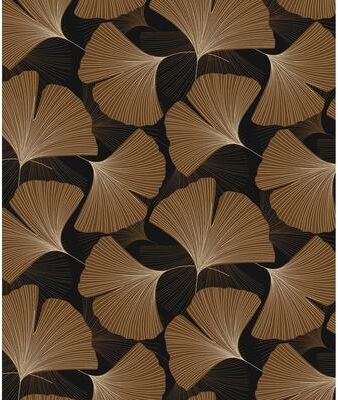
Similar search terms for NextWall-Tossed-Leaves-Peel
Top-Angebote
Products related to NextWall-Tossed-Leaves-Peel:
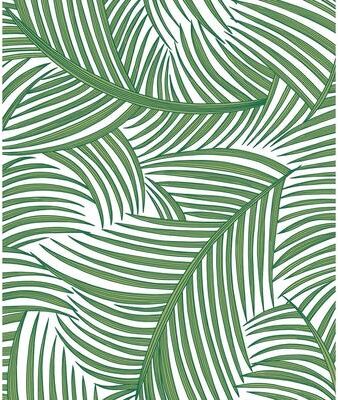


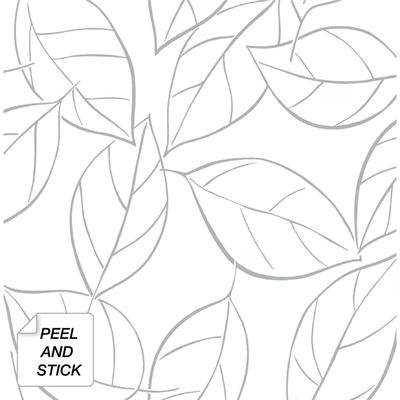
-
How many times was a coin tossed?
A coin was tossed a total of 10 times. **
-
Why can't winter have blue leaves?
Winter can't have blue leaves because the color of leaves is determined by the presence of chlorophyll, which gives them their green color. In winter, the chlorophyll breaks down and the other pigments in the leaves, such as carotenoids and anthocyanins, become more visible, giving the leaves their yellow, orange, and red hues. Blue pigments are not typically present in leaves, so they cannot turn blue in the winter. **
-
What happens when a coin is tossed with ex3 and ex3?
When a coin is tossed with ex3 and ex3, there are four possible outcomes: heads-heads, heads-tails, tails-heads, and tails-tails. Each outcome has an equal probability of occurring, as the result of one coin toss does not affect the result of the other. Therefore, the likelihood of getting heads or tails on each coin toss remains at 50%. **
-
What is the probability of a coin being tossed 3 times?
The probability of a coin being tossed 3 times can be calculated using the formula for independent events. Since the outcome of each toss is independent of the others, the probability of getting a specific outcome (e.g. heads) on each toss is 1/2. Therefore, the probability of getting a specific outcome on all 3 tosses is (1/2) * (1/2) * (1/2) = 1/8. This means there is a 1/8 chance of getting the same outcome (e.g. heads) on all 3 tosses. **

Why do fingers peel?
Fingers can peel due to a variety of reasons, including dry skin, sunburn, allergic reactions, or contact dermatitis. When the skin on the fingers becomes dry or damaged, it can lead to peeling as the body tries to shed the dead skin cells. It is important to keep the skin on the fingers moisturized and protected to prevent peeling and maintain healthy skin. **
Do you peel bananas?
As an AI, I do not have the physical ability to peel bananas. However, some people prefer to peel bananas before eating them, while others eat them with the peel on. Peeling a banana can make it easier to eat and can also remove any potential pesticides or dirt on the skin. Ultimately, whether or not to peel a banana is a personal preference. **
Top-Angebote
Products related to NextWall-Tossed-Leaves-Peel:
-
How often is a coin tossed?
A coin is typically tossed in situations where a random outcome is needed, such as in games or decision-making processes. The frequency of coin tosses depends on the context in which it is being used. In a simple game like flipping a coin to determine heads or tails, it is tossed once. However, in more complex scenarios where multiple rounds of decision-making are involved, a coin may be tossed multiple times. **
-
How often was a coin tossed?
The coin was tossed once. **
-
How many times was a coin tossed?
A coin was tossed a total of 10 times. **
-
Why can't winter have blue leaves?
Winter can't have blue leaves because the color of leaves is determined by the presence of chlorophyll, which gives them their green color. In winter, the chlorophyll breaks down and the other pigments in the leaves, such as carotenoids and anthocyanins, become more visible, giving the leaves their yellow, orange, and red hues. Blue pigments are not typically present in leaves, so they cannot turn blue in the winter. **
Similar search terms for NextWall-Tossed-Leaves-Peel
-
What happens when a coin is tossed with ex3 and ex3?
When a coin is tossed with ex3 and ex3, there are four possible outcomes: heads-heads, heads-tails, tails-heads, and tails-tails. Each outcome has an equal probability of occurring, as the result of one coin toss does not affect the result of the other. Therefore, the likelihood of getting heads or tails on each coin toss remains at 50%. **
-
What is the probability of a coin being tossed 3 times?
The probability of a coin being tossed 3 times can be calculated using the formula for independent events. Since the outcome of each toss is independent of the others, the probability of getting a specific outcome (e.g. heads) on each toss is 1/2. Therefore, the probability of getting a specific outcome on all 3 tosses is (1/2) * (1/2) * (1/2) = 1/8. This means there is a 1/8 chance of getting the same outcome (e.g. heads) on all 3 tosses. **
-
Why do fingers peel?
Fingers can peel due to a variety of reasons, including dry skin, sunburn, allergic reactions, or contact dermatitis. When the skin on the fingers becomes dry or damaged, it can lead to peeling as the body tries to shed the dead skin cells. It is important to keep the skin on the fingers moisturized and protected to prevent peeling and maintain healthy skin. **
-
Do you peel bananas?
As an AI, I do not have the physical ability to peel bananas. However, some people prefer to peel bananas before eating them, while others eat them with the peel on. Peeling a banana can make it easier to eat and can also remove any potential pesticides or dirt on the skin. Ultimately, whether or not to peel a banana is a personal preference. **
* All prices are inclusive of VAT and, if applicable, plus shipping costs. The offer information is based on the details provided by the respective shop and is updated through automated processes. Real-time updates do not occur, so deviations can occur in individual cases. ** Note: Parts of this content were created by AI.