Buy bocanci.eu ?
We are moving the project
bocanci.eu .
Are you interested in purchasing the domain
bocanci.eu ?
domain@kv-gmbh.de · 0541-91531010
Buy bocanci.eu ?
Telescope or binoculars?
It depends on what you want to use them for. If you are interested in stargazing and observing distant celestial objects, a telescope would be the better choice as it provides higher magnification and better image quality. However, if you are looking for a more versatile and portable option for birdwatching, wildlife observation, or even some stargazing, then binoculars would be the better choice. Ultimately, the decision should be based on your specific needs and interests. **
What are the disadvantages of the Galilean telescope compared to the terrestrial telescope or the prism telescope?
The Galilean telescope has a narrower field of view compared to the terrestrial telescope and the prism telescope. This limits the amount of sky that can be observed at one time. Additionally, the Galilean telescope suffers from chromatic aberration, which can cause color fringing around the edges of the observed objects. This is a disadvantage compared to the terrestrial telescope and the prism telescope, which can provide clearer and more accurate images. Finally, the Galilean telescope has a shorter focal length, which can limit its ability to gather light and produce bright images, especially when compared to the terrestrial telescope. **

Similar search terms for Telescope
Top-Angebote
Products related to Telescope:
-
Multisell Products Hub Compact Monocular Telescope For Travel, Hiking, Fishing, Camping & Bird Watching 1pcDiscover the wonders of nature with the Monocular 1 pc Telescope, your perfect companion for outdoor adventures. Whether you're hiking, fishing, camping, or stargazing, this compact and portable telescope offers crystalclear views and is ideal for...29,97 $*Shipping: 0,00 $Secure redirect to the provider
-
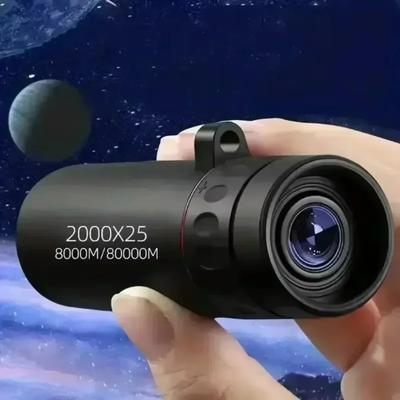
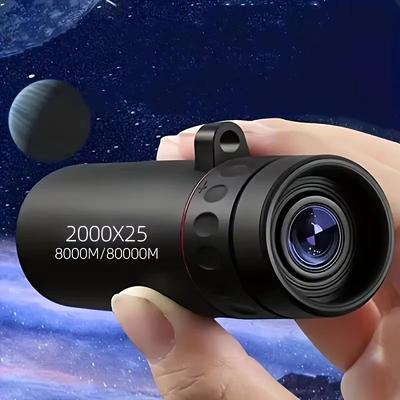
Inspired Finds 2000X25 HD Pocket Monocular Compact Travel Telescope For Bird Watching, Hiking & Concerts 1pcExplore the world in crisp detail with the 2000X25 HD pocket monocular, the ultimate companion for adventurers and everyday explorers. With up to 10 magnification, premium multicoated optics, and a durable, weatherresistant build, this compact...34,49 $*Shipping: 0,00 $Secure redirect to the provider
-
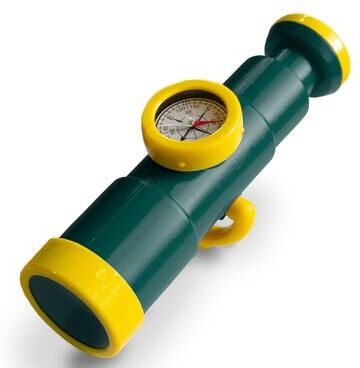
Swing-N-Slide Telescope with Working CompassThe Swing-N-Slide's Telescope with Working Compass and Mounting Bracket offers great fun and enjoyment. It is easy to install and features a simple design with a clear lens at the end for easy viewing.26,67 $*Shipping: 0,00 $Secure redirect to the provider


-
How to properly handle a reflector telescope in the winter?
When handling a reflector telescope in the winter, it's important to take extra care to protect it from the cold temperatures and potential moisture. Always allow the telescope to acclimate to the outdoor temperature before using it to prevent any damage to the optics. Keep the telescope covered when not in use to protect it from snow, ice, and moisture. Additionally, be cautious when adjusting the focus and other moving parts as the cold temperatures can make the materials more brittle and prone to damage. Lastly, be sure to store the telescope in a dry and temperature-controlled environment when not in use to prevent any potential damage from the winter weather. **
-
How is a simple refracting telescope constructed, such as Kepler's telescope?
A simple refracting telescope, like Kepler's telescope, is constructed using two main components: a convex lens and a concave lens. The convex lens, also known as the objective lens, is placed at the end of the telescope closest to the object being observed. This lens gathers and focuses light rays to form an image. The concave lens, or eyepiece lens, is positioned at the opposite end of the telescope and magnifies the image formed by the objective lens, allowing the viewer to see a larger and clearer image. The two lenses are set at a specific distance from each other to ensure proper magnification and focus. **
-
Which telescope is better?
The answer to which telescope is better depends on the specific needs and preferences of the user. Reflecting telescopes are typically better for viewing fainter objects in the sky due to their larger apertures and better light-gathering capabilities. On the other hand, refracting telescopes are better for viewing planets and other bright objects with high contrast. Ultimately, the best telescope is the one that aligns with the user's observing goals and budget. **
-
Which lens for telescope?
When choosing a lens for a telescope, it is important to consider factors such as the focal length of the telescope, the desired magnification, and the type of objects you want to observe. A shorter focal length lens will provide higher magnification, while a longer focal length lens will offer a wider field of view. It is also important to choose a lens with good optical quality to ensure clear and sharp images. Ultimately, the best lens for your telescope will depend on your specific observing needs and preferences. **


Which telescope is it?
The telescope in question is the Hubble Space Telescope. It is a space telescope that was launched into low Earth orbit in 1990 and has provided some of the most detailed images of distant galaxies, nebulae, and other celestial objects. The Hubble Space Telescope has been instrumental in advancing our understanding of the universe and has made numerous groundbreaking discoveries in astronomy. **
Which binoculars or telescope?
The choice between binoculars and a telescope depends on your specific needs and preferences. Binoculars are more portable and versatile, making them great for birdwatching, hiking, and other outdoor activities. They also provide a wider field of view, making it easier to locate and track moving objects. On the other hand, telescopes are better for stargazing and observing distant celestial objects, as they offer higher magnification and better light-gathering capabilities. If you're primarily interested in terrestrial viewing and want something portable, go for binoculars. If you're more interested in astronomy and don't mind a larger, less portable device, a telescope may be the better choice. **
Top-Angebote
Products related to Telescope:
-
Combo Retail Shop Monocular Telescope Mini Portable Mobile Phone Telescope With Holder, Camping, Hunting, Bird Watching Telescope Monocular Telescope Mini Portable Mobile Phone Telescope With Holder, Camping, Hunting, Bird Watching TelescopeNew Monocular Telescope Mini Portable Mobile Phone Telescope with Holder for Camping, Hunting, Bird Watching Discover the world around you in stunning clarity with the New Monocular Telescope Mini Portable Mobile Phone Telescope with Holder. Whether...29,97 $*Shipping: 0,00 $Secure redirect to the provider
-
Multisell Products Hub High Power Monocular Telescope Compact Portable Zoom For Bird Watching Hiking Travel High Power Monocular Telescope Compact Portable Zoom For Bird Watching Hiking TravelExperience the thrill of seeing distant details as if theyre right in front of you. This monocular telescope is designed for explorers, travelers, and everyday adventurers who dont want to miss a moment. Whether youre hiking scenic trails or...29,97 $*Shipping: 0,00 $Secure redirect to the provider
-
Multisell Products Hub Compact Monocular Telescope For Travel, Hiking, Fishing, Camping & Bird Watching 1pcDiscover the wonders of nature with the Monocular 1 pc Telescope, your perfect companion for outdoor adventures. Whether you're hiking, fishing, camping, or stargazing, this compact and portable telescope offers crystalclear views and is ideal for...29,97 $*Shipping: 0,00 $Secure redirect to the provider
-
Telescope or binoculars?
It depends on what you want to use them for. If you are interested in stargazing and observing distant celestial objects, a telescope would be the better choice as it provides higher magnification and better image quality. However, if you are looking for a more versatile and portable option for birdwatching, wildlife observation, or even some stargazing, then binoculars would be the better choice. Ultimately, the decision should be based on your specific needs and interests. **
-
What are the disadvantages of the Galilean telescope compared to the terrestrial telescope or the prism telescope?
The Galilean telescope has a narrower field of view compared to the terrestrial telescope and the prism telescope. This limits the amount of sky that can be observed at one time. Additionally, the Galilean telescope suffers from chromatic aberration, which can cause color fringing around the edges of the observed objects. This is a disadvantage compared to the terrestrial telescope and the prism telescope, which can provide clearer and more accurate images. Finally, the Galilean telescope has a shorter focal length, which can limit its ability to gather light and produce bright images, especially when compared to the terrestrial telescope. **
-
How to properly handle a reflector telescope in the winter?
When handling a reflector telescope in the winter, it's important to take extra care to protect it from the cold temperatures and potential moisture. Always allow the telescope to acclimate to the outdoor temperature before using it to prevent any damage to the optics. Keep the telescope covered when not in use to protect it from snow, ice, and moisture. Additionally, be cautious when adjusting the focus and other moving parts as the cold temperatures can make the materials more brittle and prone to damage. Lastly, be sure to store the telescope in a dry and temperature-controlled environment when not in use to prevent any potential damage from the winter weather. **
-
How is a simple refracting telescope constructed, such as Kepler's telescope?
A simple refracting telescope, like Kepler's telescope, is constructed using two main components: a convex lens and a concave lens. The convex lens, also known as the objective lens, is placed at the end of the telescope closest to the object being observed. This lens gathers and focuses light rays to form an image. The concave lens, or eyepiece lens, is positioned at the opposite end of the telescope and magnifies the image formed by the objective lens, allowing the viewer to see a larger and clearer image. The two lenses are set at a specific distance from each other to ensure proper magnification and focus. **
Similar search terms for Telescope
-
Inspired Finds 2000X25 HD Pocket Monocular Compact Travel Telescope For Bird Watching, Hiking & Concerts 1pcExplore the world in crisp detail with the 2000X25 HD pocket monocular, the ultimate companion for adventurers and everyday explorers. With up to 10 magnification, premium multicoated optics, and a durable, weatherresistant build, this compact...34,49 $*Shipping: 0,00 $Secure redirect to the provider
-
Swing-N-Slide Telescope with Working CompassThe Swing-N-Slide's Telescope with Working Compass and Mounting Bracket offers great fun and enjoyment. It is easy to install and features a simple design with a clear lens at the end for easy viewing.26,67 $*Shipping: 0,00 $Secure redirect to the provider
-
Uplift Treasures Astronaut Car Hanging Pendant Decor telescopeProduct Description: Add a fun and futuristic touch to your car with this creative astronaut hanging ornament. Designed to gently sway while driving, it brings a playful, spaceinspired vibe that makes your interior more lively and...48,97 $*Shipping: 0,00 $Secure redirect to the provider
-
Which telescope is better?
The answer to which telescope is better depends on the specific needs and preferences of the user. Reflecting telescopes are typically better for viewing fainter objects in the sky due to their larger apertures and better light-gathering capabilities. On the other hand, refracting telescopes are better for viewing planets and other bright objects with high contrast. Ultimately, the best telescope is the one that aligns with the user's observing goals and budget. **
-
Which lens for telescope?
When choosing a lens for a telescope, it is important to consider factors such as the focal length of the telescope, the desired magnification, and the type of objects you want to observe. A shorter focal length lens will provide higher magnification, while a longer focal length lens will offer a wider field of view. It is also important to choose a lens with good optical quality to ensure clear and sharp images. Ultimately, the best lens for your telescope will depend on your specific observing needs and preferences. **
-
Which telescope is it?
The telescope in question is the Hubble Space Telescope. It is a space telescope that was launched into low Earth orbit in 1990 and has provided some of the most detailed images of distant galaxies, nebulae, and other celestial objects. The Hubble Space Telescope has been instrumental in advancing our understanding of the universe and has made numerous groundbreaking discoveries in astronomy. **
-
Which binoculars or telescope?
The choice between binoculars and a telescope depends on your specific needs and preferences. Binoculars are more portable and versatile, making them great for birdwatching, hiking, and other outdoor activities. They also provide a wider field of view, making it easier to locate and track moving objects. On the other hand, telescopes are better for stargazing and observing distant celestial objects, as they offer higher magnification and better light-gathering capabilities. If you're primarily interested in terrestrial viewing and want something portable, go for binoculars. If you're more interested in astronomy and don't mind a larger, less portable device, a telescope may be the better choice. **
* All prices are inclusive of VAT and, if applicable, plus shipping costs. The offer information is based on the details provided by the respective shop and is updated through automated processes. Real-time updates do not occur, so deviations can occur in individual cases. ** Note: Parts of this content were created by AI.